
Ocean cruising is one of the few holiday types where a single booking can turn into a client for life.
Get the first sailing right and most clients come back asking “where next?”, often before they have unpacked. Get it wrong, or let them book online without guidance, and you may never hear from them again.
Yet many agents still treat ocean cruise enquiries as a price-matching exercise. The client names a ship and a date, you find the fare, and the conversation ends there. That approach leaves commission, upsell and loyalty on the table.
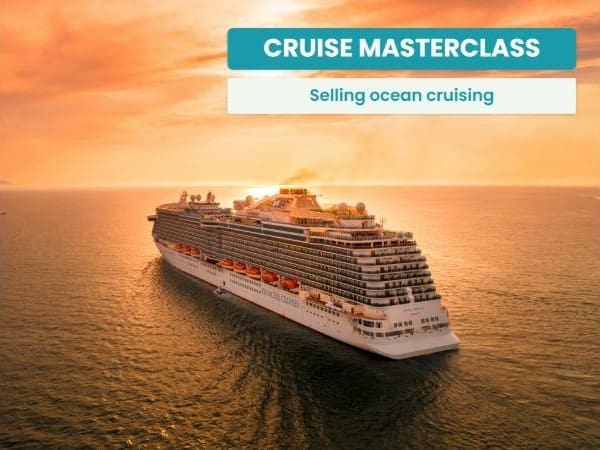
This masterclass is about selling ocean cruising as a holiday style, not a fare. It covers what clients are really buying, how to dismantle the objections that stall bookings, how to prove value against a land holiday, and the follow-up habits that turn a first-timer into a repeat cruiser who books with you every year.
Know what you’re really selling (hint: it isn’t the ship)

Clients rarely book an ocean cruise because they want to be on a boat. They book because they want something the ship makes easy: several countries without repacking, a family holiday where everyone is happy, a milestone celebration with no planning stress, or a week where someone else does the cooking.
Your first job is to find out which of those outcomes sits behind the enquiry. The ship, the line and the cabin all follow from it. A client who says “we want to do the Pacific Islands” may really be saying “we want a stress-free family break we can afford”. A client asking about the Mediterranean may want to tick off five cities without five hotel check-ins.
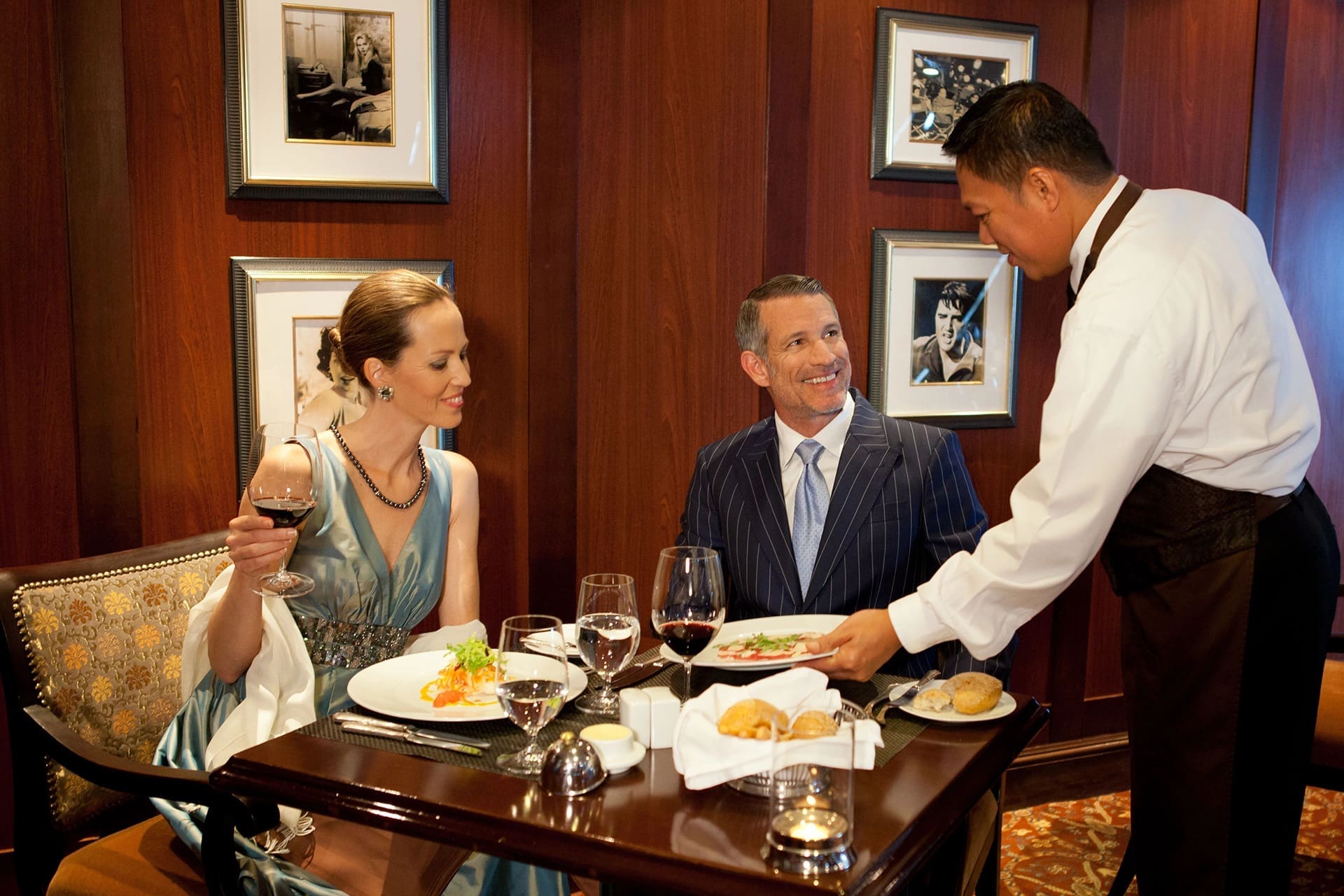
Once you know the outcome, sell the outcome. Talk about unpacking once, waking up somewhere new, dinner without a booking battle, kids’ clubs that give parents an evening back, and arriving home rested rather than needing a holiday from the holiday.
Agent script: “Before we look at ships, tell me what would make this trip feel like a success when you get home.”
That single question reframes you from fare-finder to adviser, and it gives you the language to use for the rest of the sale.
Dismantling the six objections that stall ocean bookings

Most hesitant clients are not saying no. They are repeating a belief about cruising that may have been true a decade ago, or was never true for the right ship. Name the objection, acknowledge it, then replace the picture in their head with a more accurate one.
“I’ll get seasick.” Modern ocean ships are large and fitted with stabilisers, and itinerary choice makes a real difference. Steer motion-sensitive clients towards sheltered routes such as the Mediterranean, Alaska’s Inside Passage or Norwegian fjords, and towards midship cabins on lower decks. Suggest they speak to their GP before travelling.
“I’ll be bored.” This usually comes from someone picturing a small ship with deck chairs and bingo. Show them the range: wellness programmes, enrichment lectures, culinary classes, Broadway-style shows, adventure activities and port days packed with experiences. Then match the line to their energy level.
“Cruising is for older people.” Paint the real passenger mix. Family-focused lines are full of kids and teens, contemporary lines skew towards couples and friend groups, and luxury and expedition ships attract active, curious travellers of all ages.
“I’ll feel trapped with crowds.” Large ships are designed to spread people out, and there are quieter options at every price point. Suggest a premium or luxury line, a smaller ship, a suite or ship-within-a-ship complex, or sailings outside school holidays.
“You don’t get to see the places properly.” Look for itineraries with late departures and overnight stays, and pair them with small-group or private shore experiences. For destination-hungry clients, consider a land stay before or after the cruise.
“It’s too expensive.” This is usually a comparison problem, not a budget problem. The next section shows how to fix it.
Agent tip: when an objection comes up, ask “What did you hear, or what happened, that makes you feel that way?” The answer tells you exactly which picture you need to replace.
Win the value argument with a side-by-side
Clients compare a cruise fare with the nightly rate of a hotel and decide cruising is dear. They are comparing one line item against a whole bundle. Your job is to build the fair comparison for them.
Take the client’s own holiday idea and price it both ways. On the land side, add up accommodation in each city, transfers and trains between them, three meals a day, entertainment, kids’ activities and the time lost to packing, check-outs and travel days. On the cruise side, show the fare, what it includes, and a realistic allowance for the extras that client is likely to buy.
| Holiday cost | Land holiday | Ocean cruise |
| Accommodation | Separate hotel per city | Included in fare |
| Travel between destinations | Flights, trains or transfers each time | Included in fare |
| Main meals | Paid each day | Included in fare |
| Evening entertainment | Paid each night | Mostly included |
| Kids’ activities | Paid or not available | Kids’ clubs usually included |
| Packing and check-ins | Every move | Once |
| Drinks, wifi, gratuities, tours | Paid | Check what the fare includes |
The last row is where trust is won or lost. Be upfront about what costs extra on the line you are quoting, and use it as the moment to sell a drinks package, wifi bundle or more inclusive fare where it genuinely suits the client.
Agent script: “Let’s compare like with like. Once we add up what your land itinerary would cost for hotels, getting between cities and eating out, here’s how the cruise stacks up.”
This side-by-side also works brilliantly as a client-facing one-pager. Build a template once and reuse it for every price-sensitive enquiry.
Read the ocean map: itinerary styles and who they suit

Every ocean itinerary has a personality, and knowing it lets you match clients quickly and sell with confidence.
Homeport cruising from Australia is the easiest sale for first-timers. Sailing from Brisbane, Sydney, Melbourne or Fremantle removes international flights, cuts the total cost and makes short getaways simple. Two to four-night sampler cruises are the perfect low-risk trial for clients who are unsure, and a strong upsell path to a longer sailing next time.
South Pacific and New Zealand round trips suit families, couples and value-led clients who want island time with minimal logistics. Be clear about sea days and tender ports so expectations match reality.
Fly-cruise itineraries across Europe, Alaska, the Caribbean and Asia suit clients who want bucket-list destinations with the comfort of unpacking once. These are high-value bookings, so package the flights, pre- and post-cruise hotels, transfers and insurance. Every extra component you add earns you more and protects the client.
Repositioning and long voyages suit retirees, sea-day lovers and value hunters, often offering excellent per-night pricing. World cruises and grand voyages are a specialist sale with long lead times and very high booking values.
Agent tip: if a client loves their first homeport cruise, the natural next sale is a fly-cruise to a destination they’ve always dreamed of. Plant that seed on the welcome-home call.
Turn sea days into a selling point

First-timers often see sea days as wasted days. Seasoned cruisers often say they are the best part of the trip. Bridge that gap by selling sea days as the holiday’s built-in rest days.
Describe what a sea day actually looks like for that client. For a couple, it might be a late breakfast on the balcony, a spa treatment, a long lunch and a show. For a family, it is the kids’ club, the waterslides and an afternoon nap for the parents. For curious travellers, it is a destination lecture, a cooking class or a behind-the-scenes ship tour.
Sea days are also where onboard revenue lives, so they give you a natural, helpful reason to pre-sell spa packages, specialty dining and experiences before departure. Booking these in advance avoids disappointment on popular days and shows the client you are thinking ahead.
Agent script: “Think of sea days as the part of the holiday where you finally slow down. Let’s lock in a spa treatment and a special dinner now so they’re waiting for you.”
Time the sale: honest urgency that converts

Ocean cruise pricing rewards clients who book early. The best cabins, connecting rooms, accessible staterooms and suites sell out first, and school-holiday sailings fill months ahead. That gives you genuine urgency, so you never need to invent it.
Explain the booking curve in plain terms: fares and choice are usually strongest when a sailing first opens, and the cabins clients want most disappear first. Last-minute deals do happen, but they come with less choice of cabin, location and dining time, and rarely suit families or clients with specific needs.
Keep a close eye on cruise line offers, wave season promotions and agent incentives, and match them to clients already in your pipeline. A promotion is the perfect reason to reconnect with a hesitant enquiry.
Where a client isn’t ready to commit, ask whether the line offers a refundable deposit or a fare that can be held. Securing the cabin protects the client and gives you the booking.
Agent script: “The cabin that ticks every box for you is available today. I can secure it with a deposit while you confirm the details at home.”
Close well, then follow up like a cruise specialist

Present three options rather than one: the best match, the best value and the best upgrade. Make the best match your clear recommendation, explain each trade-off in a sentence, and ask for the booking.
The sale doesn’t end at deposit. The weeks between booking and sailing are your chance to add value and revenue. Send a pre-cruise checklist, remind clients about online check-in and dining reservations, and offer shore experiences, drinks packages, insurance, transfers and pre-cruise hotel nights at sensible moments rather than all at once.
Then make the welcome-home call within a week of disembarkation. Ask what they loved, what they would change and where they dream of going next. Many lines offer onboard future cruise credits or booking incentives, so encourage clients to make sure any onboard booking is transferred to you as their agent.
Finally, record what you learned in your client notes: favourite line, cabin preference, dining style, celebration dates. That is what lets you call them with the perfect next cruise before they start searching online.
Agent habit: diarise a follow-up three months after every cruise. It’s the window when clients start planning again.


