


Hurtigruten has raised 1,002 bottles of Barolo from the Norwegian seabed after a year-long ageing experiment 34 metres beneath Arctic waters off Kirkenes. The wine, developed with Italian winery Rivetto, will now be served exclusively aboard Hurtigruten ships sailing the Norwegian coast.
The bottles were submerged at 70° North for 12 months, exposed to constant temperatures of around 5 to 6 degrees Celsius, complete darkness and roughly four bar of pressure.
At the first tasting, led by Henrik Dahl Jahnsen, president of the Norwegian Sommelier Association, the Arctic-aged wine was compared against a bottle of the same 2021 vintage stored conventionally on land.
“The Arctic Barolo showed a brighter, more youthful ruby colour, with a fresher and more precise aromatic profile of wild fruits and flowers. The tannins also felt fresher and crunchier, giving the wine a more youthful expression. I was surprised by how clear the difference was,” Jahnsen said.
Tani Gurra, front of house and beverage director at Hurtigruten, said the project reflected genuine curiosity about the outcome.
“After a year beneath Arctic waters, there was only one thing we really wanted to know, what had happened to the wine? Now our guests will be able to taste the result while sailing through the very same Arctic waters where the wine spent the past year,” Gurra said.
Wine sourced from Barolo estate before Arctic maturation

The Barolo comes from Rivetto, a certified organic and biodynamic estate in Serralunga d’Alba, and underwent 24 months of traditional maturation in oak casks before its underwater ageing.
Enrico Rivetto, owner of Rivetto, said the collaboration combined the winery’s heritage with Hurtigruten’s connection to the Norwegian coast.
“Tasting the wine after a year beneath the Arctic was fascinating, and knowing guests will now experience it while sailing those same waters makes the story even more meaningful,” Rivetto said.
Fully retrievable installation used throughout
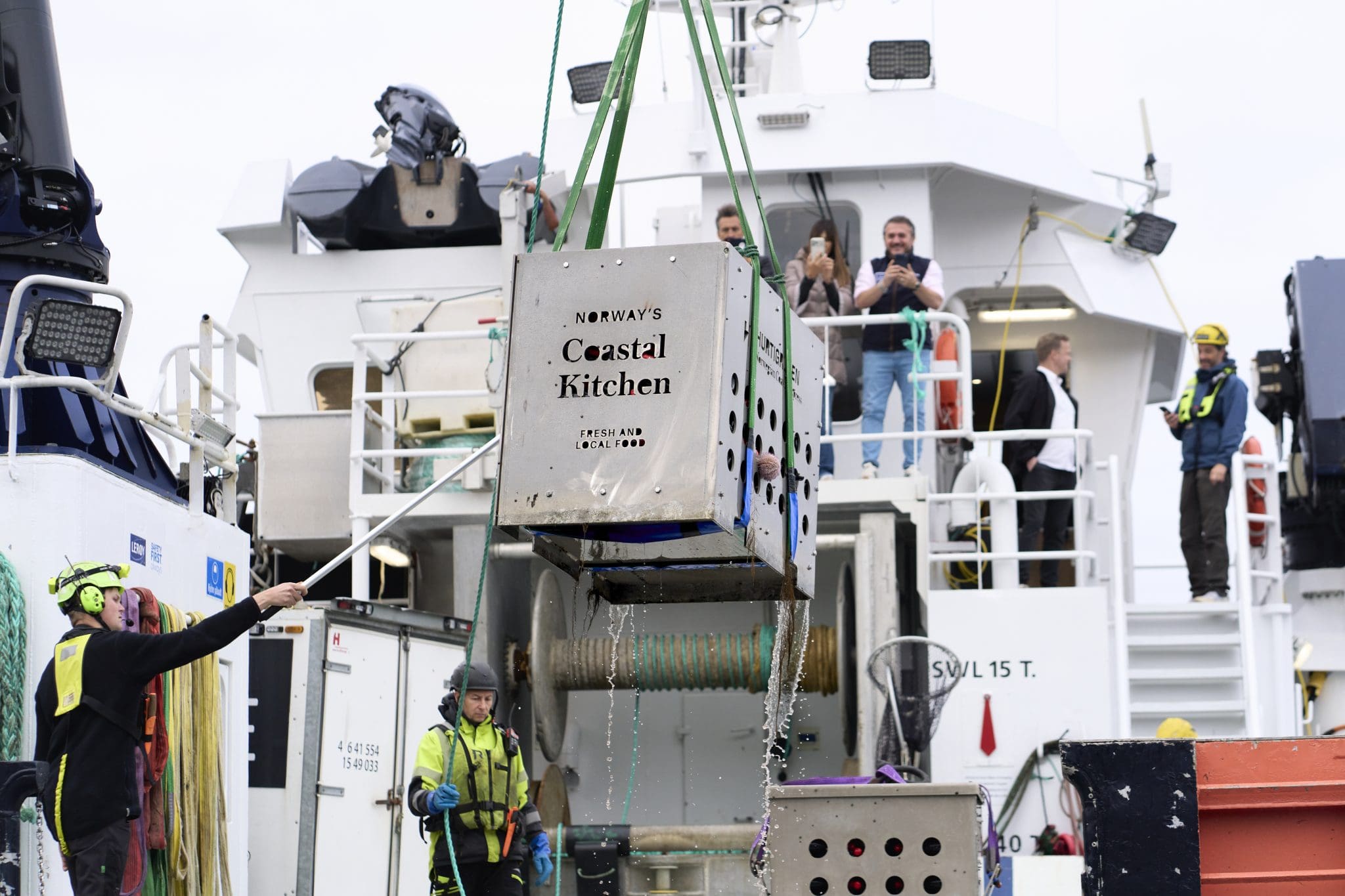
The project used marine-safe materials and a fully retrievable installation, with all equipment removed from the seabed following the maturation period.


